Laura D. Young / Teaching evidence

The Research Methods Studio.

Tools I designed to make difficult research decisions visible, revisable, and genuinely the student’s own.

Live design studio · Assignment builder · AI homework coach · Field methods
Original interactive teaching tools

Try the work, not the worksheet.

My research methods students develop projects across the semester. These tools connect the pieces: a question becomes a theory, variables become defensible measures, and a design becomes a sampling plan. The student still has to make—and defend—the decisions.

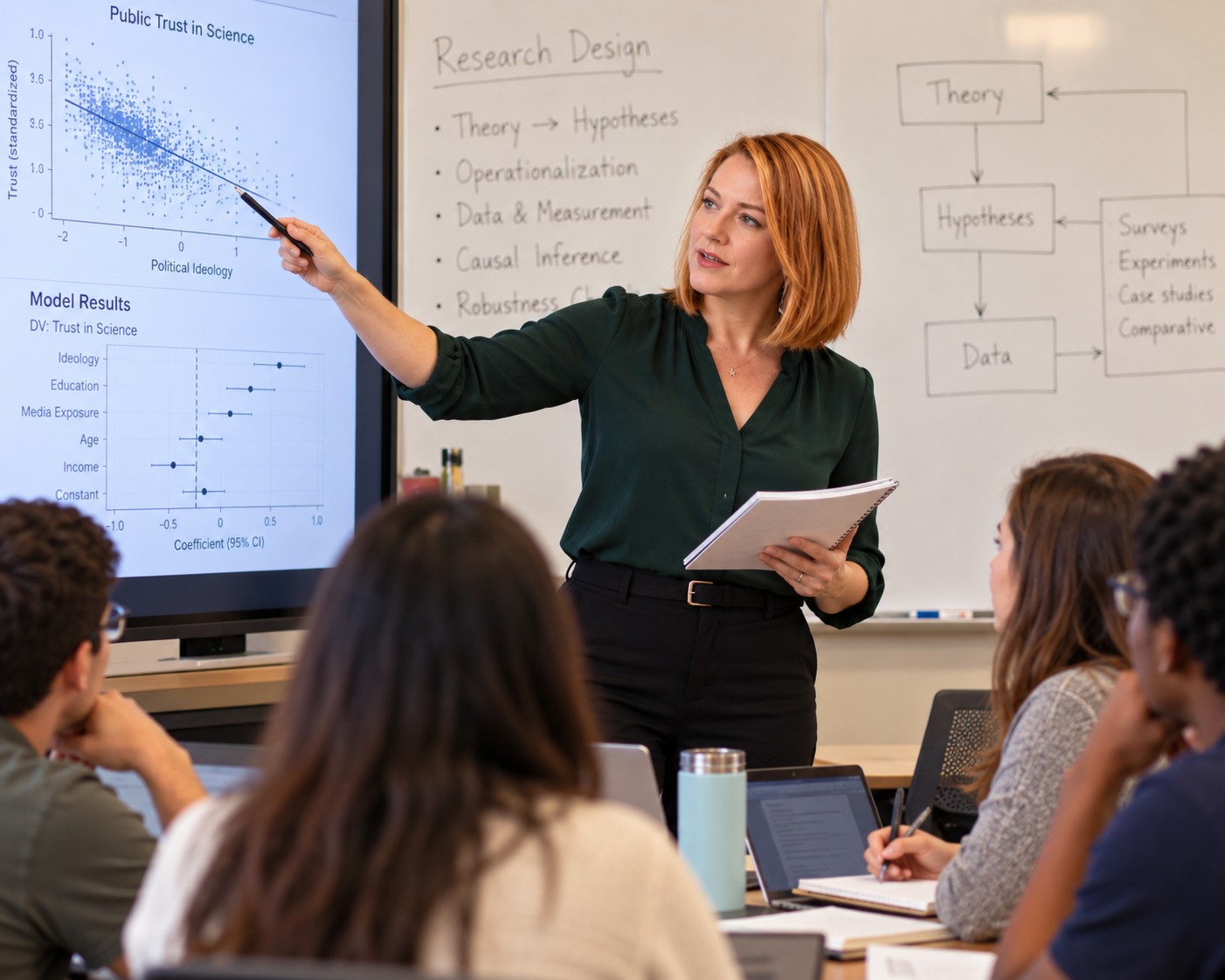
Illustrative classroom teaching by Laura D. Young
01 / Interactive research design
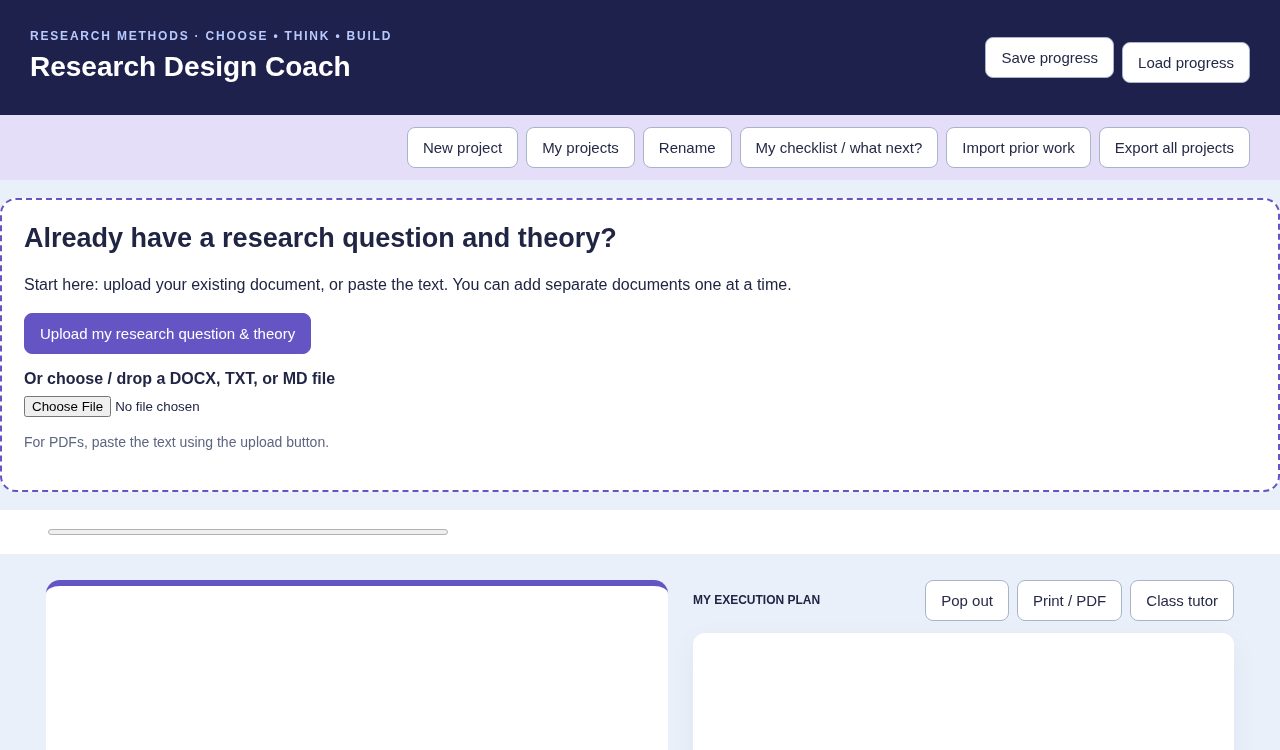
Screenshot of interactive Research Design Coach interface

Research Design Studio

Students begin with their own research question and drafts; define dependent and independent variables; choose indicators; examine comparison strategies; and print a plan that carries forward into the next assignment. The interface identifies missing choices rather than quietly filling them in.
02 / Linked research checkpoints
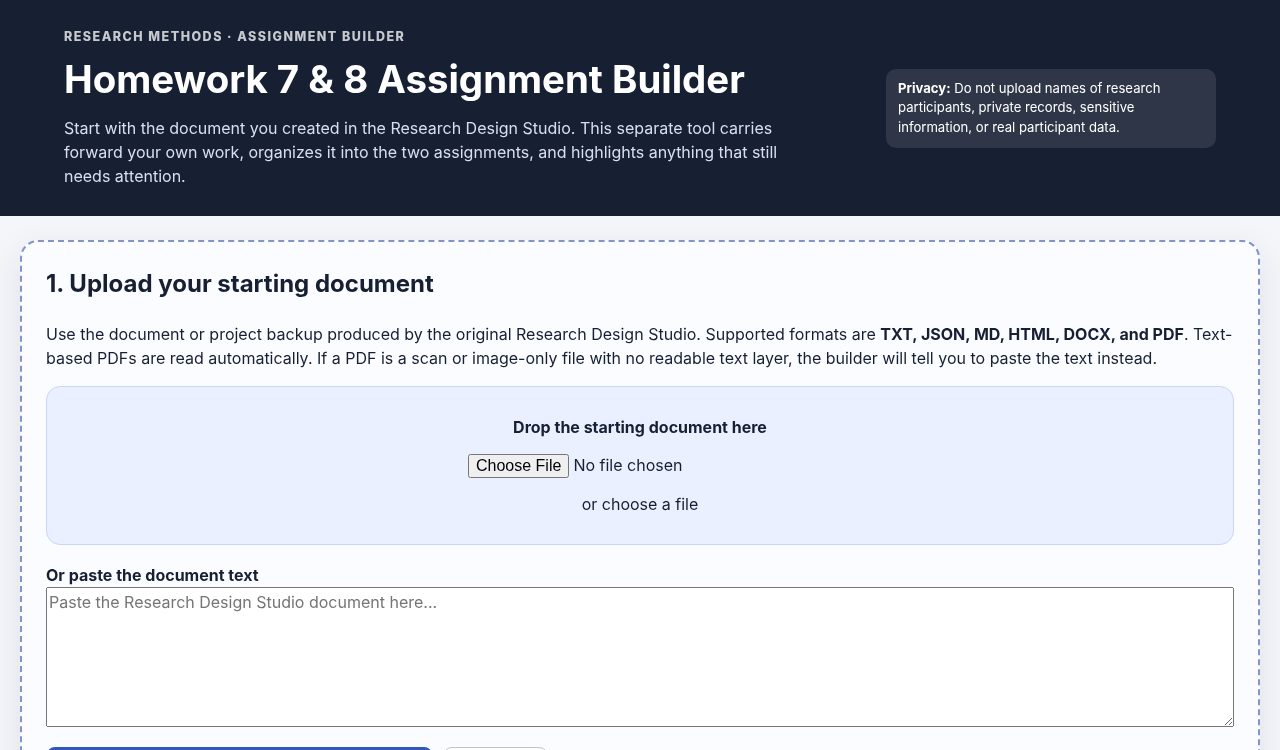
Screenshot of research design homework builder interface

Homework 7 & 8 Builder

A companion tool carries design work into a decision memo and a sampling and generalization plan. Students can import earlier work, identify gaps, revise their decisions, and produce structured submissions. A sampling-flow diagram and risk checks keep their claims tied to the evidence.

03 / Coaching without ghostwriting
Visualization of academic AI assistance and research methods

Research Methods Homework Coach

When a student is stuck, the tutor can ask clarifying questions, help diagnose a weak measure or comparison, and explain unfamiliar methods concepts. It is a thinking partner; the research plan and final prose remain the student’s responsibility.

Methods beyond the screen

Observation becomes a research question.

Students work from the particular to the conceptual: what did you observe, what would count as an outcome, what might explain it, and what would you need to measure to examine the claim? Field observation and survey-question design make those choices concrete.

Activities ask students to distinguish description from inference, consider alternative explanations, and confront the limits of an incomplete sample or imperfect measure. The goal is judgment, not an automatically generated result.

Explore methods in practice ↗
Illustrative classroom seminar with professor discussing research findings on public trust in science and students participating
Illustrative editorial scene inspired by research-methods teaching.
Published pedagogy

I also study what teaching makes possible.

My coauthored work examines scaffolded capstone writing and extended political simulations. Those publications belong next to the tools because teaching practices should be examined critically, not merely described as innovative.