
RESEARCH · POLITICAL BEHAVIOR & INSTITUTIONS

People, institutions, and the forces that shape democratic life.

Across climate politics, scientific confidence, and executive authority, my research asks why people trust institutions, when they reject them, and how power responds.

Illustrative portrait of Laura D. Young speaking at an academic conference
THREE RESEARCH PROGRAMSBrowse publications →
Climate and glacier landscape
01 / TRUST & EXPERTISE

Science trust and climate politics

Why has confidence in scientific institutions changed across ideological groups? How do networks and formative political experiences shape skepticism? My work approaches those questions through survey research and the study of organized dissent.

Questions driving the work

  • How has ideological confidence in science changed since the 1970s?
  • How do information, identity, and political memories shape trust?
  • What connects climate dissenters across organizations and funders?

Related projects →
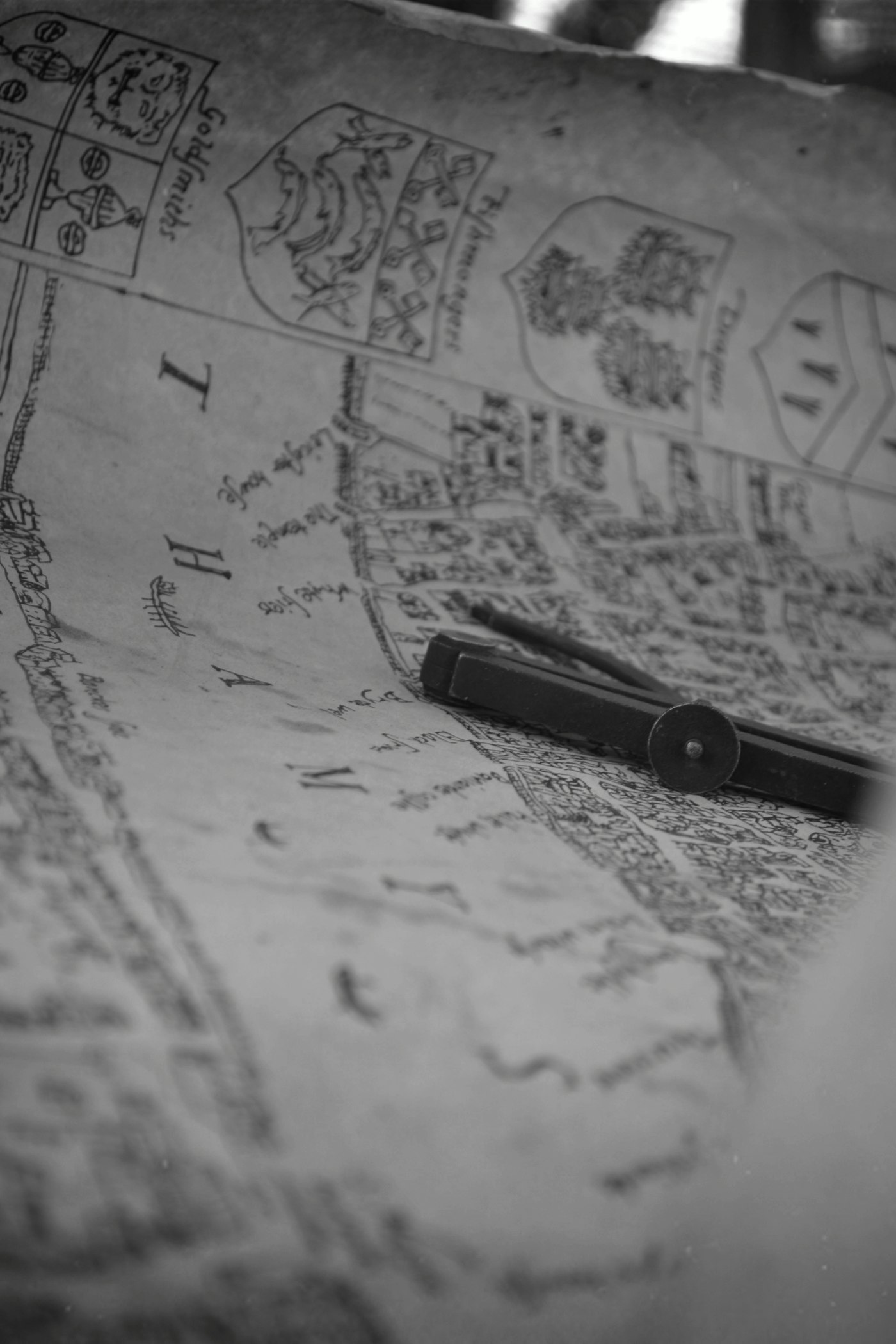
Voting at a polling station Historical map and archival research materials
02 / POWER & ACCOUNTABILITY

Democratic accountability and executive authority

My institutional research examines crisis-era presidential policymaking, the origins and exercise of state authority, and citizens’ beliefs about whether elections make government responsive.

Questions driving the work

  • When do crises expand opportunities for unilateral action?
  • What does perceived responsiveness mean for public policy?
  • How do conflict and institutions affect state formation?
Related projects →
Students learning about artificial intelligence in a university research seminar with neural network visualization on the classroom display
03 / TEACHING & EVIDENCE

Teaching, learning, and responsible AI

I study how students learn to write research, understand political ideas, and make defensible decisions. My published work on simulations and senior-capstone scaffolding informs the interactive tools I build for methods instruction.

Questions driving the work

  • What kinds of scaffolding strengthen research writing?
  • What can students learn from extended political simulations?
  • Where does AI support—or displace—independent judgment?
Teaching portfolio →
SELECTED PROJECTS

Work underway—and the questions behind it.

Current projects are labeled by stage. Published research is linked directly; books and manuscripts in development are not presented as completed publications.

When Scarcity
Made the State
Working book title · State formation and historical institutions

When Scarcity Made the State

How resource scarcity, population pressure, and warfare shaped the rise of political institutions—and why these histories still matter for state building.

Explore the book project →

Photographs are editorial representations of research topics—not photographs of data collection or project participants. Image credits: Arno Senoner, CDC, Element5 Digital, Sasun Bughdaryan, and Ruth Bourke (Unsplash).

METHODS & EVIDENCEAcademic CV ↗
01

Survey research

Public attitudes over time, measurement, survey-weighted analysis, and repeated cross-sections.

02

Historical & comparative analysis

Institutional origins and variation across countries, political contexts and historical periods.

03

Network analysis

Connections among organized movements, organizations and political actors.

04

Research on teaching

Student writing, simulations, active learning and responsible AI-assisted methods instruction.