Political scientist studying trust, authority, and democratic life.
Professor of Political Science · Department Chair
Political Science, Criminal Justice, and International Studies
I study how authority becomes credible, how skepticism turns political, and what citizens and institutions do when trust breaks down.
Teaching
FellowUniversity of Georgia
What makes political authority
credible—or contested?
My research connects political behavior, institutional power, and the politics of expertise. The methods vary, but the question persists: why do people accept some claims to authority and reject others?

Science trust and climate politics
The public meaning of expertise, organized climate dissent, and partisan change in scientific confidence.
Explore research →
Democratic accountability and executive authority
How crises and political institutions reshape presidential power and the limits of democratic control.
Explore research →
Teaching, learning and AI
How scaffolding, simulations, research apprenticeship, and responsible AI can strengthen students’ judgment.
Explore research →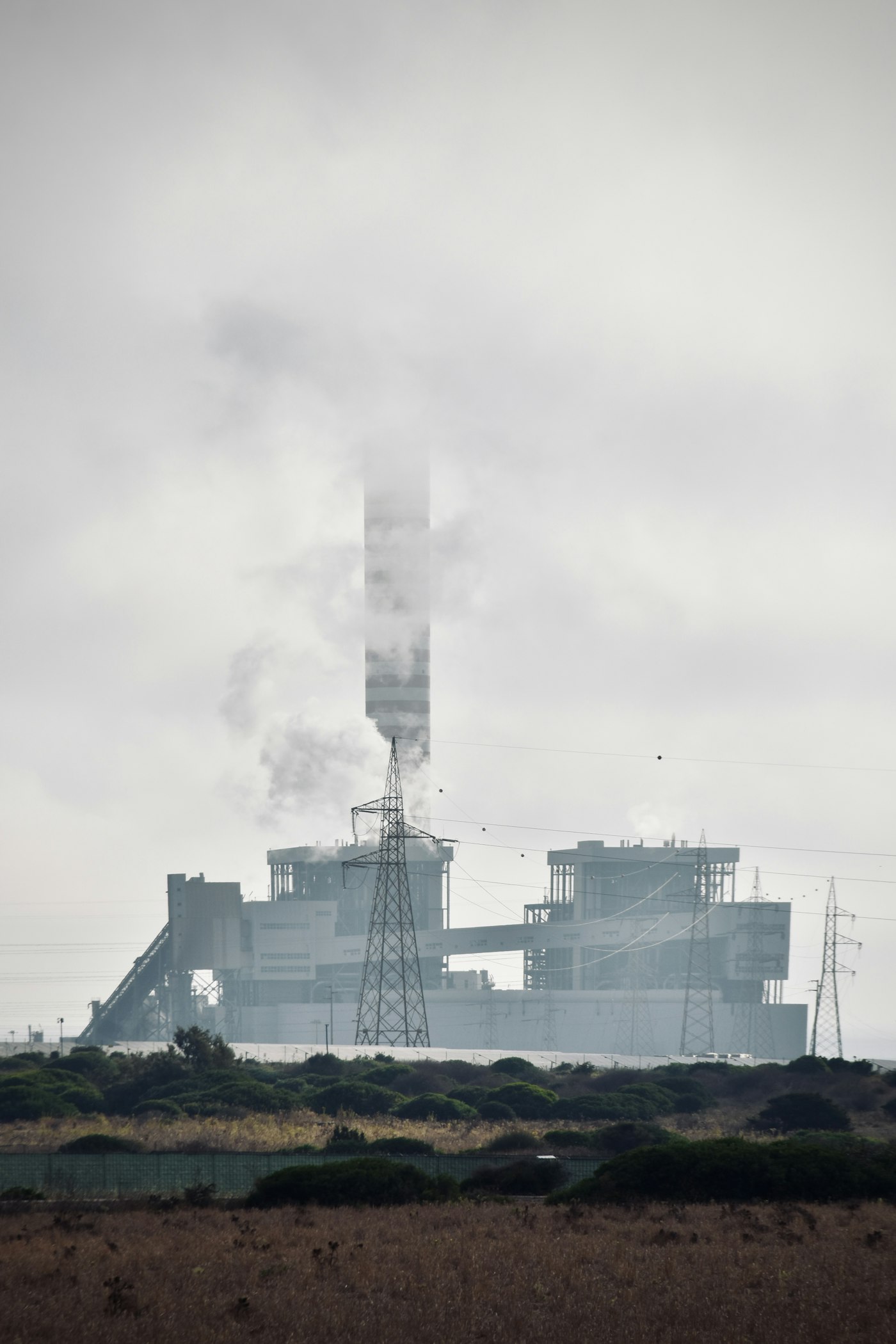
Green Deceit
The memories, movements, and money behind climate change denial.
About the book →
Science confidence and ideology
How ideological confidence in scientific institutions has changed over five decades.
Read the project →
Elections and responsiveness
When citizens believe elections make governments listen, and what those beliefs mean for policy.
Read the project →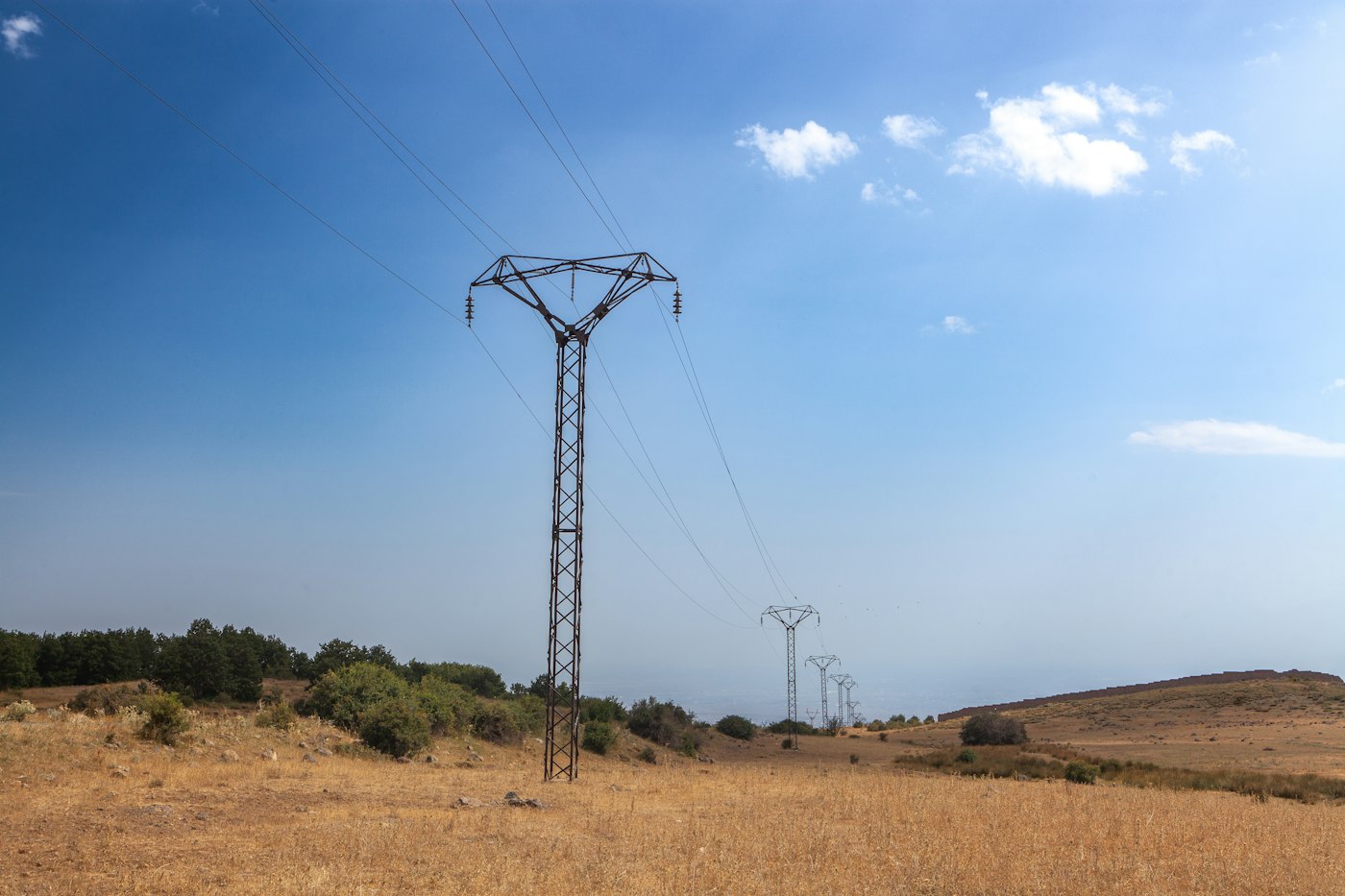
Climate contrarian networks
Tracing the financial and organizational connections sustaining credentialed climate dissent.
Read the study →Research in print.
Ideas in motion.
Published articles, coauthored teaching scholarship, and new work at the intersection of public trust and democratic authority.
All publicationsWho Are the 3 Per Cent?
Connections among climate-change contrarians · 2022
Read published article ↗PRESIDENTIAL STUDIES QUARTERLYUnilateral Presidential Policy Making
Presidential power and crises · 2013
Read published article ↗JOURNAL OF POLITICAL SCIENCE EDUCATIONAn Assessment of Scaffolding
Evidence from senior capstone courses · 2025
Read published article ↗Building programs.
Opening doors.
As founding chair, I have worked across curriculum, staffing, assessment, faculty development and student career pathways. The record is measurable—and it is a collective one.
Explore institutional resultsInteractive tools.
Independent thinking.
Instead of describing innovation, I can show it. Students move from questions and concepts to research designs, data decisions, guided revision and work outside the classroom.
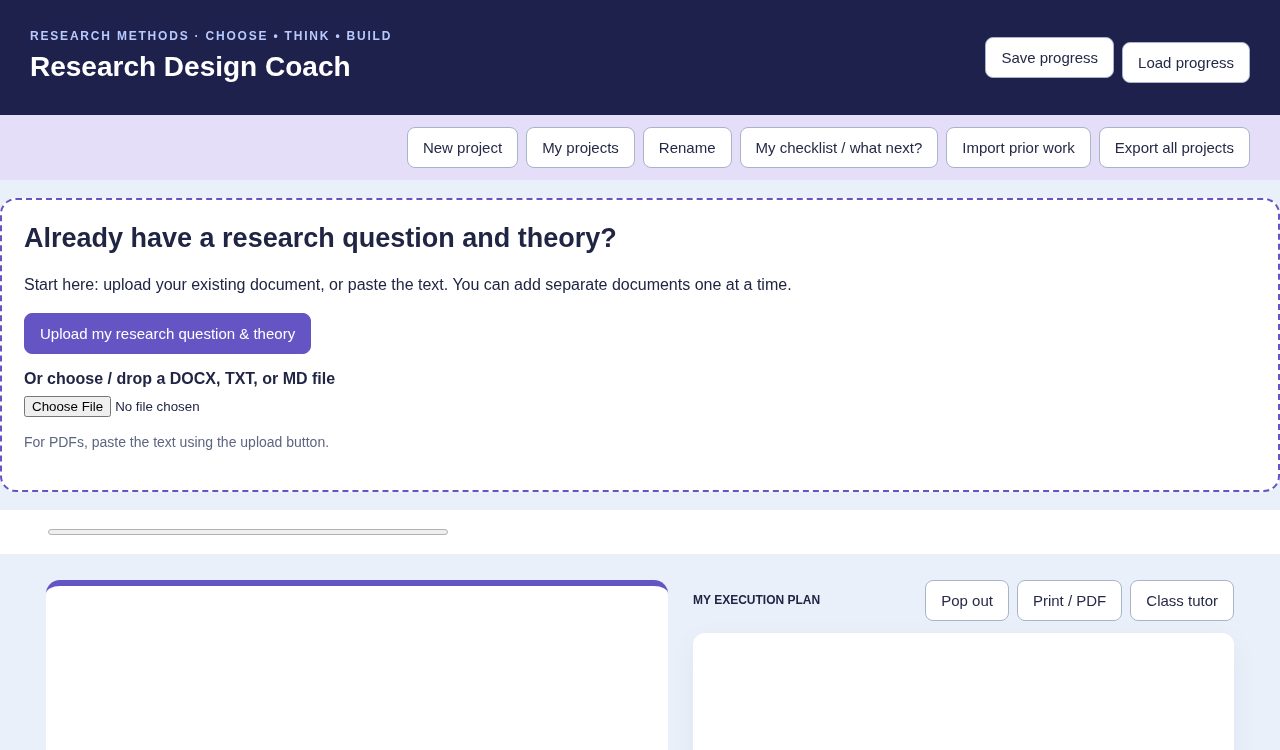
Research Design Studio
A guided environment for turning students’ research questions into defensible design choices.
Explore the studio →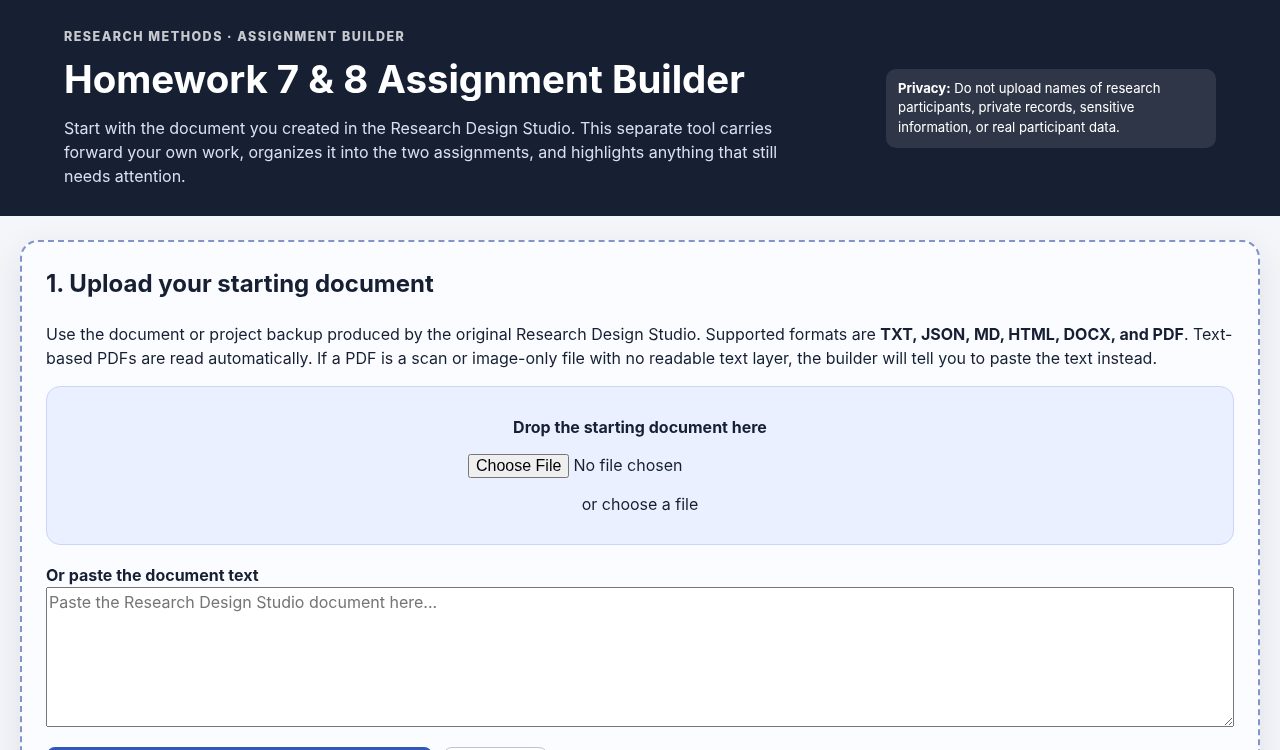
Design & Sampling Builder
A companion tool that carries design work into methods memos and sampling plans.
Open the builder →
Tutor Bots & AI Literacy
Coaching and critique while preserving student authorship and independent judgment.
Explore tutor support →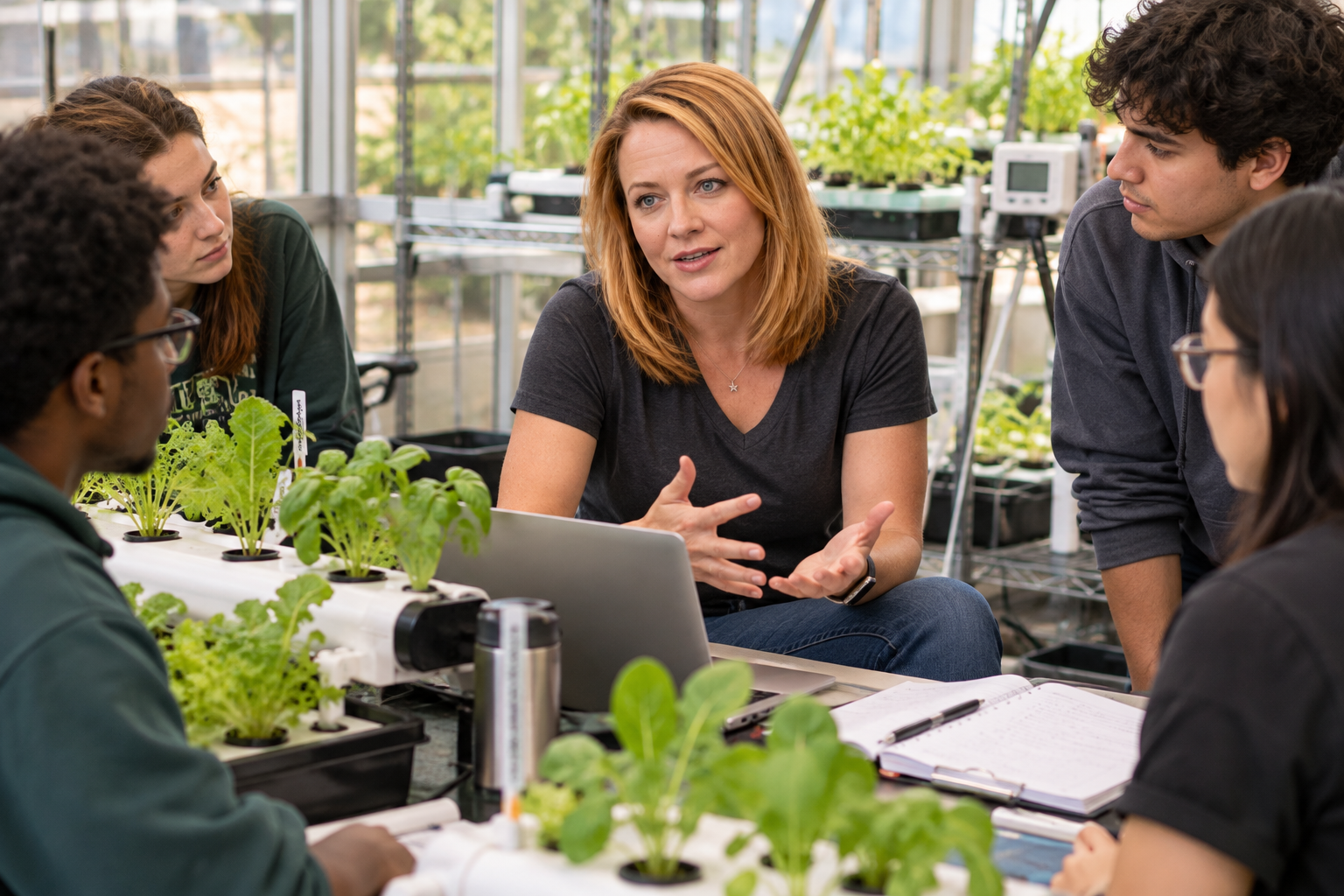
Field Methods & Survey Work
From observations to concepts, indicators, questionnaires and limits of inference.
See field methods →Our job is to give students the skills to think critically, evaluate the world around them, and succeed in the careers and communities they will help shape.— Laura D. Young